







Search Results for: Maragogipe Coffee
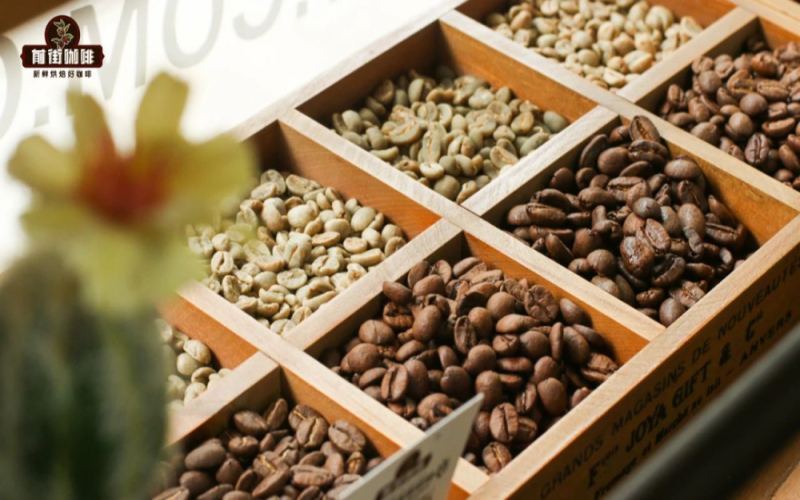
A Complete Analysis of the Maragogype Coffee Variety: Size Measurements and Flavor Characteristics of Maragogipe
Maragogype is a natural mutation of the Typica variety, with beans that can reach three times the size of ordinary Arabica, found mostly across Central American countries. These giant coffee beans are not only eye-catching in appearance, but when grown at high altitude under shade, they can develop a sweetly aromatic, rich and balanced flavor, earning them the nickname "Central American Blue Mountain." This article will start with the variety's origins, the mesh measurement method, and the flavor differences across producing regions, and combine Front Street Coffee's roasting and brewing experience to give you a comprehensive understanding of this rare and fascinating coffee variety. [more…]
Analysis of the Pacamara Coffee Variety in El Salvador: From Its Hybrid Origins of Pacas and Maragogipe to Its Flavor Expression in Guatemala
Pacamara is a precious variety bred by El Salvador's coffee research institute by crossing Pacas with Maragogipe, combining the dual advantages of the sturdy, stress-resistant Pacas and the giant-bean Maragogipe. Since the 19th century, the Pacas family has been deeply involved in the coffee industry, passing down through five generations and witnessing this variety's long journey from its cultivation in 1958 to its gradual promotion only in the late 1980s. This article will guide you through the story of Pacamara's discovery and cultivation, analyzing its flavor characteristics—the interweaving of a creamy mouthfeel, elegant acidity, and chocolate butterscotch sweetness—as well as its botanical features, including a medium-sized tree, large leaves, and elongated oval beans, providing coffee enthusiasts with a comprehensive reference for understanding this variety. [more…]
Analysis of the Flavor and Estate Story of Guatemala Santa Felisa Estate Red Pacamara Maragogype K72 Process
Pacamara Maragogipe is a cross between the Pacas and Maragogipe varieties, combining rich flavor with an elegant texture. Guatemala's Santa Felisa Estate, founded in 1904, is located in the Acatenango Valley and is known for its eco-friendly farming methods, eight processing methods, and insistence on hand-picking at 21 degrees Brix, consistently ranking among the top in the COE. The estate weathered the impact of leaf rust, losing its organic certification yet still upholding its ecological philosophy. Its K72 processing method combines repeated fermentation with washed and sun-dried techniques, giving the coffee bright, clean flavors of citrus notes, dried tangerine peel aroma, cherry, and sweet persimmon. Front Street Coffee recommends brewing with a Hario V60, 90°C water temperature, and a three-pour method to showcase this Red Pacamara Maragogipe's lingering sweetness and smooth mouthfeel. [more…]
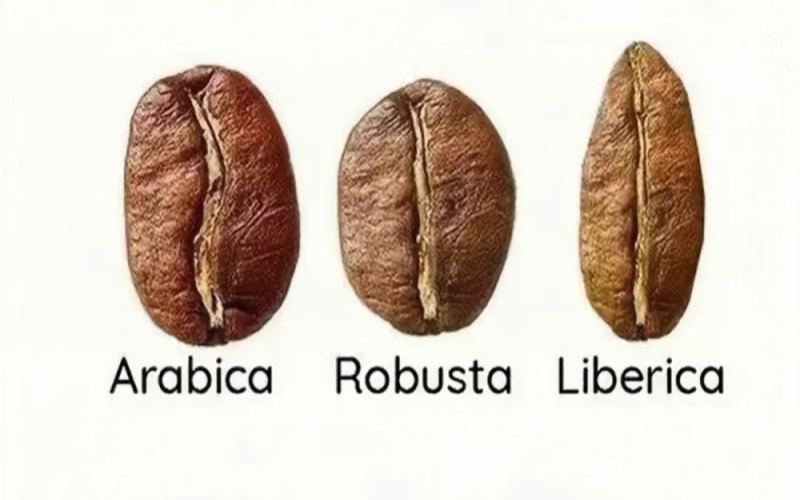
Pacamara's Parent Maragogipe: The Origins of the Elephant Bean Variety and an Analysis of the Three Major Coffee Species
In the world of coffee, Arabica, Robusta, and Liberica make up the three main species. Among them, the smallest in size—Arabica—hides a "giant": Maragogipe, commonly known as Elephant Bean. This variety was discovered in Brazil in 1870, and can grow up to three times the size of ordinary Arabica, even surpassing Liberica. It is actually a mutation of Typica, with a flavor profile featuring sweet berry notes and bright citrus acidity, plus a thick, silky mouthfeel. However, its difficulty to cultivate, long maturation period, and low yield make it uncommon. This article will guide you through the origins and flavor characteristics of Maragogipe, as well as the dual meaning of "Elephant Bean" as both a variety and a grade, while also outlining the three major species of the Coffea genus. [more…]
A Comprehensive Analysis of Nicaraguan Coffee Regions: Flavors and Brewing from Jinotega to Maracaturra Varieties
When people mention Nicaragua, most first think of its magnificent waterfalls, yet the country's coffee has long been overlooked on the international stage. In fact, Nicaragua's natural conditions are in no way inferior to those of other coffee-producing countries in Central America, and its coffee is renowned for its balanced flavor: smallholder lots display a clean brightness and soft acidity reminiscent of Costa Rica when lightly roasted, while taking on a sweet, full-bodied richness like Colombia's when darkly roasted. This article takes you on a tour of Nicaragua's four major coffee-producing regions, covering their geography and climate, grading system, coffee development history, and the distinctive Maragogype and its derivative varieties, along with the washed pour-over parameters and flavor description for Front Street Coffee's Buena Vista Estate Maracaturra. [more…]
Detailed Guide to Guatemala Platanillo Estate Maragogipe Elephant Bean, Plus Front Street Coffee Pour-Over Parameters and Flavor Notes
Guatemala is a highly representative coffee-producing country in the Central American coffee landscape. Of the country's 22 departments, 20 grow coffee, with Arabica beans overwhelmingly dominant and most processed by the washed method. Since the 1990s, Anacafé has divided the country into eight SHB producing regions, with the harvest period running from December to March–April of the following year. Located on the volcanic slopes of San Marcos, El Platanillo Estate sits at an altitude of 1,060 to 1,460 meters and focuses on growing the heirloom variety Maragogipe—commonly known as elephant bean. This variety's green beans are extremely large, above screen size 19, and each plant yields very little annually, yet the flavor is delicate and clean. Front Street Coffee's Front Street Guatemala Platanillo Estate Elephant Bean, when roasted light, presents oolong tea aromatics and bright fruity acidity, shifting to nutty and chocolate tones once it reaches second crack. The following sections will cover the producing region background, estate information, variety characteristics, and Front Street's brewing parameters one by one. [more…]
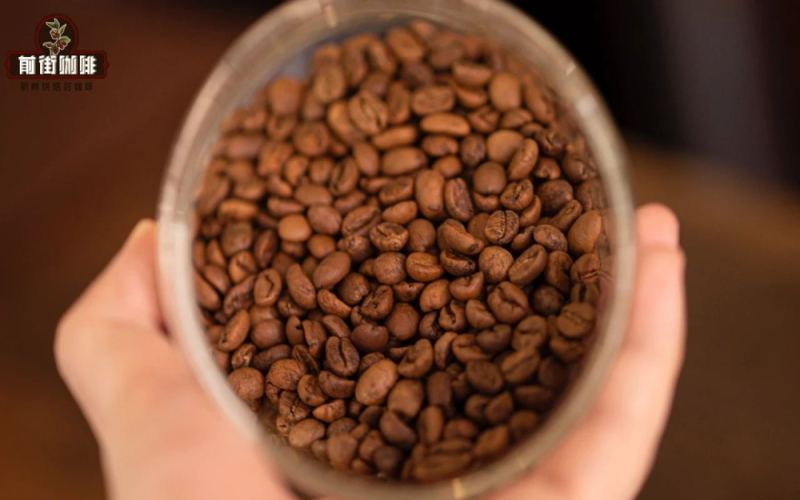
The Complete Guide to Giant Elephant Bean Coffee: Origins, Growing Conditions, and Flavor Brewing of the Maragogipe Variety
In the Arabica coffee family, there is a particularly large member—the Maragogype. Its scientific name is Maragogipe, and it was first discovered in Brazil in 1870. It was later recognized as a natural mutation of Typica, and its beans can be up to three times the size of ordinary Arabica beans. Due to high cultivation costs and difficult management, the producing areas of Maragogype are now mainly concentrated in a few Latin American countries. From the perspective of Front Street Coffee, this article will systematically introduce the variety origin of Maragogype, suitable growing regions, natural processing methods, roasting and brewing parameters, and its relationship with its hybrid descendant Pacamara, giving you a comprehensive understanding of this "giant" in the coffee world. [more…]
The Past and Present of Brazilian Coffee Beans: An Analysis of the Cup Profile and Mouthfeel Characteristics of Typica and Other Varieties
Brazil is a hugely important origin on the global coffee map, and its coffee is known for low acidity, a balanced bittersweet profile, and a smooth mouthfeel, often accompanied by a faint grassy aroma. Starting from the history and classification of Brazilian coffee, this article systematically sorts out the origin and spread of Typica, a native Arabica variety, and further introduces the genetic lineage, yield characteristics, and cupping performance of common varieties such as Bourbon, Catimor, Catuai, Caturra, Geisha, Maragogipe, Mundo Novo, Pacamara, Pacas, Tico, SL-28, SL-34, and Villa Sarchi. The article retains Front Street Coffee's descriptions and recommendations of Brazilian bean flavors and is suitable for enthusiasts who want to gain a deeper understanding of the relationship between coffee varieties and flavor. [more…]
A Complete Guide to the Pacamara Coffee Variety: From Its Breeding History in El Salvador to the Brewed Flavor of Front Street Coffee's Guatemala Beans
Pacamara is hailed by many coffee enthusiasts as the "T-Rex" of the bean world. Bred from a cross between Pacas and Maragogype, it boasts an intensely complex flavor profile that combines the juicy character of citrus and red berries with a creamy sweetness and full body. This article begins with the coffee-growing origins of the Pacas family, tracing the discovery of the Pacas variety and how El Salvador's ISIC spent roughly three decades developing Pacamara. It then uses Front Street Coffee's Guatemala Little Blueberry Estate as an example to share information about this bean along with the Hario V60 brewing parameters and techniques commonly used by Front Street Coffee, helping you gain a more complete understanding of this variety's origins and its performance in the cup. [more…]

Nicaragua Maragogype Elephant Bean Flavor Analysis: Central American Specialty Coffee Varietal Characteristics and Front Street Recommendations
Arabica, Robusta, and Liberica make up the three main native species of coffee worldwide, and among them Arabica has the smallest beans, which is why it is often called "small-seed coffee." Yet within the Arabica family, there exists a mutant variety whose beans can grow to three times the size of ordinary Arabica—the Maragogype, also known as the elephant bean. It was first discovered in 1870 in the Maragogipe region of Bahia, Brazil, and was identified as a natural mutation of Typica. The Maragogype plant is tall with lush foliage, and its demands for space and nutrients far exceed those of conventional varieties. Combined with the difficulty of harvesting and the high time cost, very few farmers are willing to grow it. Today it is found only in scattered pockets across Latin American countries such as Brazil, Nicaragua, Mexico, and Guatemala. During its bean-sourcing travels, Front Street Coffee purchased several lots of Maragogype for cupping and concluded that those from Nicaragua performed best, with the sun-dried Maragogype from the Mierisch family's Mama Mina estate standing out in particular for its flavor. This article will walk coffee lovers through the complete picture of the Maragogype and its hybrid offspring Pacamara—from the variety's origins and current state of cultivation to its flavor profile and brewing parameters. [more…]
Colombian Coffee Flavor Characteristics and Brewing Guide: A Complete Analysis from the Huila Region to Front Street Coffee's Everyday Beans
Colombia, with its exceptional high-altitude terrain and diverse climates, has become the world's largest producer of washed Arabica coffee. Among its regions, the Huila producing area is renowned for its refined acidity, berry and caramel sweetness, making it a focal point for specialty coffee enthusiasts. From the perspective of Front Street Coffee, this article systematically reviews the historical context of Colombian coffee, the distribution of major producing regions, the cultivation environment and flavor characteristics of Huila, and provides detailed information and brewing parameters for Front Street Colombia Washed Huila everyday beans. It also introduces the recently notable Sidra and Maragogipe varieties in the Huila region, as well as a simple method for making cold brew coffee, offering coffee lovers a complete reference from origin understanding to daily extraction. [more…]
Colombian Coffee Regions: Grades and Flavor Analysis — A Roasting and Brewing Guide from Huila to Sidra
Colombian coffee has long been known as "green gold," famous for its dark chocolate flavor and rich body. As the specialty coffee wave advances, this South American country reveals a more diverse profile. From north to south, 20 growing provinces are distributed on both sides of the Andes Mountains, and differences in terrain and climate create a diverse flavor map. Front Street Coffee selects beans such as Huila, Maragogipe, and Sidra, presenting fruity brightness and classic richness through different roast levels. This article will detail the regional characteristics, grading system, roasting key points, and V60 brewing parameters of Colombian coffee to help you gain a comprehensive understanding of this charming producing country. [more…]
How Are Arabica and Robusta Different? A Comprehensive Analysis of Coffee Bean Origins, Varieties, and Flavor Profiles
The world of coffee is far richer than one might imagine. From Arabica, which originated on the Ethiopian highlands, to Robusta from the Congo in Africa, these two major species underpin the vast majority of global coffee production. Beneath these two species, distinctive sub-varieties such as Typica, Bourbon, Caturra, Geisha, and SL-28 bring endless variation to the flavors in the cup. This article systematically sorts out the origins and variety lineages of coffee beans, explaining in detail each variety's yield characteristics, disease resistance, suitable growing altitude, and signature flavor profile, helping coffee enthusiasts build a complete framework of variety knowledge and have clearer direction when purchasing and tasting. [more…]
Nicaragua Finca La Tormenta Natural Maragogype: Variety Origins, Growing Region Characteristics, and Pour-Over Flavor Analysis
The Maragogype Natural from Nicaragua's Finca La Tormenta is a giant bean variety that has attracted much attention in the specialty coffee world. Starting from a practical pour-over plan, this article provides specific parameters: 15g of coffee, medium grind, 88-89°C water temperature, 1:15 coffee-to-water ratio, and a 2-minute extraction. It also sorts out the botanical origins of Maragogype—originating from Maragogipe County in Bahia, Brazil, established as a classification in 1870, belonging to an Arabica-derived hybrid, with beans reaching more than three times the size of ordinary coffee beans. The article also introduces the distribution of Nicaragua's four major producing regions, the SHG highest grade of the Segovia region, and the body and fragrance brought by volcanic fertile soil and shade growing, and explains in detail the pineapple, winey, stone fruit, caramel, and roasted nut flavor layers of this natural bean from Finca La Tormenta, as well as Front Street Coffee's roasting and product information. [more…]
In-Depth Analysis and Brewing Suggestions for Nicaragua Los Andes Estate Maracaturra Natural Coffee
Nicaraguan coffee has long maintained a low profile in the global market, yet it possesses growing talent on par with other Central American countries, distinguished by its balanced flavor. This feature focuses on the sun-dried Maracaturra from Finca La India in the Nueva Segovia region. This variety, a cross between Caturra and Maragogipe, offers both plump beans and sweet flavors, but due to its delicate plants, susceptibility to leaf rust, and low yield, it is rarely seen on the market. The article will outline Nicaragua's four major producing regions and their terroir characteristics, analyze the varietal advantages and cultivation challenges of Maracaturra, and share Front Street Coffee's roasting curve, cupping data, and pour-over parameters, providing a complete reference for coffee enthusiasts. [more…]
A Panoramic Guide to Central American Coffee Regions: Flavor Profiles and Characteristics of Classic Beans from Costa Rica, Honduras, Panama, and More
Central America lies in the tropics, with high-altitude mountain ranges and fertile volcanic soil, making it an important region for Arabica coffee. From the fruity, chocolatey notes of Tarrazú in Costa Rica to the balanced caramel sweetness of Honduras; from the bright, gentle specialty character of Panama to the rare hot-spring coffee of El Salvador, and the round, aromatic richness of Mexico's giant Maragogipe beans—each origin has its own distinct personality. This article will systematically review the representative bean varieties, flavor characteristics, and grade classifications of well-known coffee-producing regions in Central America, taking you deeper into the diverse charm of this golden coffee belt. [more…]
Coffee Bean Variety Guide: Origins and Flavor Profiles of 11 Common Beans Including Typica, Bourbon, and Maragogipe
In the world of coffee, the two great camps of Arabica and Robusta support the daily cup for the vast majority of people, but what truly makes flavors endlessly varied are those ancient names hidden within the variety pedigree: Typica, Bourbon, Maragogype, Caturra, Mundo Novo... They either originate from the primitive forests of Ethiopia or were born from laboratory hybrid breeding, and each one carries a unique origin story and flavor imprint. This article systematically sorts out 11 of the most common coffee bean varieties, from botanical classification to cupping performance, from the elegance of Typica to the sweetness of Bourbon, from the huge size of Maragogype to the floral and fruity aromas of Geisha, breaking down their characteristics, producing regions, and representative beans one by one. Whether you are a pour-over enthusiast or an espresso player, this is a variety guide worth keeping. [more…]
Front Street Colombia Botón Estate Maragogype Pour-Over Guide: V60 Three-Stage Extraction Parameters and Flavor Analysis
El Boton Estate in Antioquia, Colombia, has been run by the Herran family since 1930, and for nearly a century has grown only one variety: Maragogype. Annual production is just 600 bags. These beans are about three times the size of ordinary Arabica, making them the largest coffee beans in the world. Front Street Coffee brings you this El Boton Maragogype, which has a prominent sweetness on entry, with fruity acidity of grape and pomegranate and a full-bodied, black-tea-like richness. This article will break down the complete brewing approach for these giant beans layer by layer, from the estate's story, the characteristics of the Maragogype variety, and the washed processing method, to roasting recommendations and V60 three-pour hand-brew parameters, helping coffee lovers fully release its rich fruity aroma and soft nutty notes. [more…]
A Complete Analysis of Salvadoran Coffee Origins: Pipil Brand and the Flavor Characteristics of Six Major Regions, Plus Front Street Coffee's Roasting and Brewing Practices
Although El Salvador is a small country, its volcanic soil and high-altitude microclimates nurture specialty coffee with delicate acidity and a balanced mouthfeel, and Pipil Coffee is one of its most representative brands. This article traces the development of Salvadoran coffee from the 18th century to the present, analyzes the flavor differences and main variety characteristics of its nine major producing regions, and shares Front Street Coffee's specific approach to roasting and brewing Salvadoran beans, including how it handles beans such as Santa Ana Chocolate Lover and the brewing parameters, offering coffee lovers a complete origin reference. [more…]
A Complete Analysis of Salvadoran Coffee Bean Origins: From Historical Changes to the Flavor of Bourbon and Pacamara Varieties
Although El Salvador is a small country, it occupies an important position on the coffee map of Central America. Here, there is both the delicate acidity and sweet balance nurtured by volcanic fertile soil, as well as a tumultuous history of dye substitution, land reform, and the ravages of leaf rust. Front Street Coffee has long been deeply involved in estates across multiple producing regions in El Salvador, accumulating a large number of flavor samples through roasting and cupping. This article begins with the coffee story of El Salvador, sorting out its growing conditions, the characteristics of nine major producing regions, and the main varieties (Typica, Bourbon, Pacas, Pacamara), and includes Front Street's roasting and brewing approach for the Santa Ana Chocolate Lover, taking you through a comprehensive understanding of the coffee charm of this "Volcano Country." [more…]